
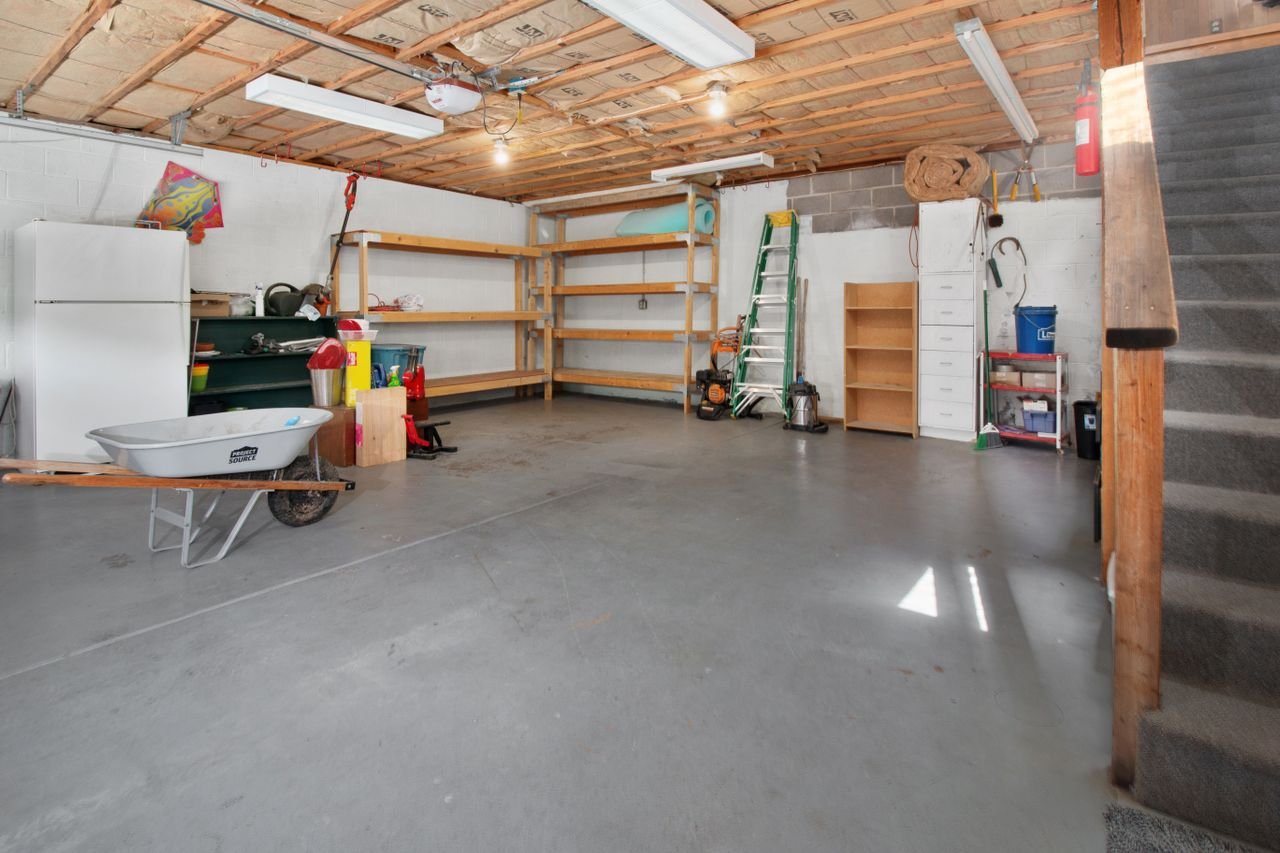
We spend considerable time choosing kitchen cabinets, finding hallway furniture and organising our wardrobes. Yet the garage, often one of the largest spaces in the home, rarely receives the same attention.
Instead, it becomes a collection of mismatched shelving, cardboard boxes, forgotten DIY projects and belongings that don’t quite fit anywhere else.
But what if we approached the garage with the same consideration as the rest of our home?
A well-designed garage doesn’t need expensive fitted cabinetry or a complete renovation. With thoughtful storage, sensible materials and a layout that reflects everyday routines, it can become one of the most useful spaces in the house.
Design Around How Your Household Actually Lives
Before buying shelving or choosing paint colours, consider how your household uses the garage.
For a busy family, it might be somewhere to collect bicycles, football boots and outdoor toys. For a keen gardener, it might house tools, pots and gardening supplies. Others might use it for DIY projects, seasonal storage or household maintenance.
The most effective garage layouts accommodate these activities rather than simply providing somewhere to put things.
Consider dividing your garage into dedicated areas for:
- Gardening and outdoor equipment
- Sports equipment and children’s belongings
- Tools and home maintenance supplies
- Christmas decorations and seasonal items
- Everyday household essentials
Giving each activity its own space makes belongings easier to find and, importantly, easier to put away.
Create a Colour Scheme That Feels Intentional
Garage storage doesn’t have to look industrial.
Choosing a consistent colour palette can make even inexpensive storage solutions feel coordinated. Warm whites, soft greys, sage greens and charcoal tones all work particularly well in practical spaces.
If your garage connects directly to your home, consider carrying through a colour from your kitchen, utility room or hallway. This creates a sense of continuity between spaces that are often treated as entirely separate.
You could combine pale walls with black metal shelving, natural timber finishes and neutral storage containers. Alternatively, painted cabinets in a muted green can introduce character without overwhelming the room.
Even something as simple as using matching storage boxes can make a noticeable difference.
Choose paints and finishes suitable for the garage’s temperature, humidity, and wall surfaces.
Combine Open and Closed Storage
One of the principles of good interior design is knowing what to display and what to conceal. The same applies to the garage.
Open shelving is excellent for frequently used items, gardening supplies and clearly labelled storage containers. However, relying entirely on open storage can make a garage feel visually cluttered.
Closed cabinets provide somewhere to conceal awkwardly shaped equipment, miscellaneous hardware and less attractive household items.
A practical combination might include:
- Open shelving for seasonal storage boxes.
- Closed cupboards for miscellaneous DIY supplies.
- A pegboard for frequently used hand tools.
- Baskets for footballs and outdoor toys.
- Drawers for screws, fixings and smaller accessories.
Many of the principles used in small kitchen storage design translate surprisingly well to garages, particularly when it comes to balancing accessibility with visual simplicity.
Make Better Use of Your Walls
Floor space is particularly valuable in a single garage. Every item stored on the floor reduces the room available for parking, walking or working.
Wall-mounted storage offers a practical alternative.
Pegboards, adjustable shelving, bicycle brackets and wall-mounted tool rails can accommodate a surprising amount of equipment without making the room feel overcrowded.
Rather than covering every available wall, plan dedicated sections around specific activities. A gardening wall might include hooks for spades and rakes, a shelf for pots and a small basket for gloves.
A DIY area could include a workbench with a pegboard above it and drawers underneath.
Exploring different garage storage ideas can help you identify which combinations of shelving, cabinets and wall-mounted systems suit your available space and budget.
Always use fixings appropriate for your wall construction and check the manufacturer’s load limits before installing storage.
Create a Transition Space Between Indoors and Outdoors
An attached garage can serve as a useful extension of the hallway or utility room.
If your household regularly enters through the garage, consider creating a small arrival area near the internal door.
This might include a washable doormat, a boot tray, hooks for outdoor clothing and a basket for reusable shopping bags.
Families with children could introduce individual storage compartments for outdoor shoes, helmets and sports equipment.
It doesn’t need to occupy an entire wall. A carefully arranged corner can prevent muddy footwear, wet umbrellas and outdoor belongings from spreading throughout the house.
Keep doorways and access routes clear, particularly around any fire doors connecting the garage to the home.
Give Lighting the Attention It Deserves
Lighting is often overlooked in garage design. A single ceiling bulb may be sufficient for parking a car, but it is rarely ideal for finding belongings, completing DIY projects, or keeping storage organised.
Consider introducing different types of lighting according to how the space is used.
Bright, evenly distributed overhead lighting improves general visibility, while dedicated task lighting above a workbench makes smaller projects easier.
Suitable battery-operated lights inside cupboards can also help illuminate darker storage areas without requiring extensive electrical work.
Choose lighting that is appropriate for garage conditions, and use a qualified electrician for new fixed electrical installations.
A well-lit garage feels more welcoming and makes everyday tasks considerably easier.
Choose Materials That Look Good and Last
Unlike a living room or bedroom, a garage is regularly exposed to dirt, moisture and changing temperatures.
Materials need to reflect these conditions.
Powder-coated metal shelving, moisture-resistant cabinets, sealed concrete flooring and durable plastic storage containers are all worth considering.
Where timber is used, choose finishes appropriate for the environment and avoid leaving untreated wood in areas prone to damp.
If your existing concrete floor is sound, a suitable garage floor coating could improve its appearance and make cleaning easier. Interlocking garage floor tiles are another option, particularly for defining a workshop area.
The aim is to create an attractive space without introducing materials that require constant maintenance.
Store Belongings According to How Often You Use Them
Good storage isn’t necessarily about fitting more into a space. It’s about making the things you need easier to access.
Frequently used belongings should be positioned within comfortable reach. Seasonal decorations and occasionally used lightweight equipment can occupy higher shelves, while heavier items should generally be stored lower down.
Clear containers or simple, consistent labels can prevent unnecessary searching.
This is particularly helpful when several people share the space. Everyone should be able to find what they need without relying on one person to remember where everything belongs.
Take care when storing chemicals, fuels and other hazardous materials. The Health and Safety Executive provides guidance on storing petrol at home, including specific considerations for garages attached to residential properties.
Improve Your Garage Without Spending a Fortune
A garage makeover doesn’t have to happen all at once.
Start by removing unwanted belongings, cleaning existing surfaces and rearranging the storage you already own.
A fresh coat of suitable paint, matching storage containers and a handful of wall hooks may be enough to transform the appearance of an otherwise neglected garage.
Second-hand cabinets and shelving can also provide excellent value, provided they are structurally sound and suitable for the environment.
If your budget is limited, prioritise the improvements that will make the greatest difference to your daily routine. For one household, that might mean somewhere to store bicycles. For another, it could be a dedicated gardening station or a more accessible place for tools.
Build the space gradually rather than purchasing an entire storage system before understanding what you need.
A More Considered Garage Means a More Organised Home
The garage doesn’t need to resemble a showroom. It doesn’t need bespoke cabinetry, designer flooring or perfectly arranged shelves.
It simply deserves the same thoughtful approach we apply to other parts of our homes.
When storage reflects everyday habits, materials are chosen carefully, and each area has a clear purpose, the garage becomes more than somewhere to keep things out of sight.
It becomes a practical extension of the home that makes gardening, family outings, household maintenance, and everyday life a little easier.
And that is what good home design should achieve.


